About Us — History of Alcoholics Anonymous: Founded in 1935, AA has grown into a trusted, global fellowship offering free support to those seeking recovery from alcoholism. With a welcoming, non-judgmental approach, AA has empowered millions to achieve and sustain sobriety.
It’s Free to Attend AA.
⎯ There Are No Age or Education Requirements to Participate.
Membership is open to anyone who wants to do something about their drinking. The only requirement for AA membership is a desire to stop drinking.
AA’s primary purpose is to help alcoholics to stop drinking and remain sober.
How AA works
Alcoholics Anonymous is renowned as the longest-standing program dedicated to addressing problem drinking, commonly referred to as alcoholism. With its origins dating back to 1935, AA has established itself as a leader in the field of Recovery.
Grounded in the principles of mutual support, AA offers a welcoming environment where individuals grappling with problem drinking can seek support, guidance, and companionship on their journey toward sobriety.
Through the renowned Twelve Step program, people who come to AA share their experience, strength and hope for a life free of alcohol.
We are people who have discovered and admitted that we cannot drink alcohol safely due to the effect it has on us and the people around us. Many of us have lost a lot because of our drinking — family, friends, possessions just to name a few.
In AA, we have learned that we can live without alcohol and we can live normal, happy lives.
We’re not against alcohol and we have no wish to reform the world. We‘re not here to impose our experience with problem drinking on other people — but we do share our story and experience with problem drinking.
Importantly, as members of AA, we know our sobriety depends on connecting and helping other alcoholics.
If you repeatedly drink more than you intend or want to, you may be an alcoholic. Only you can decide.
AA’s sole function is to help people to achieve sobriety. There are no obligations and no fees—just a community that understands. Whether you’re looking for support, guidance or simply someone to talk to, AA is here to help.
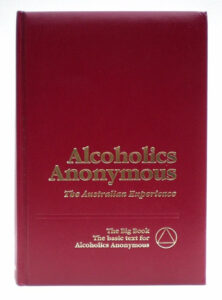
also known as the Big Book, outlining the principles and program of AA.
1940
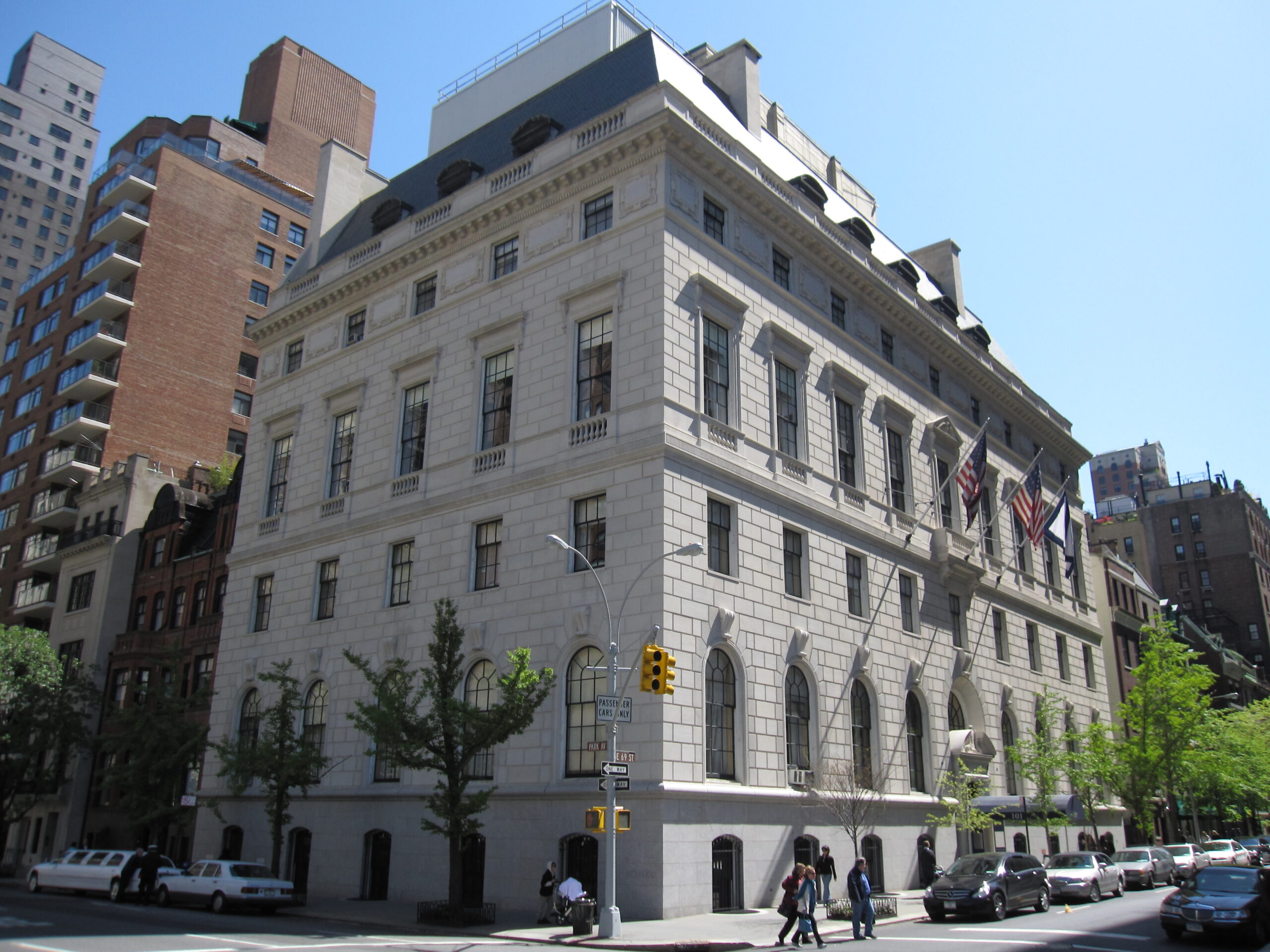
Rockefeller Hosts AA Dinner
John D. Rockefeller Jr. held a dinner at New York’s exclusive Union Club to promote Alcoholics Anonymous. The event attracted global media attention, and AA began appearing in Australian newspapers and journals.
1942
Dr Minogue Seeks Information About AA
Dr Sylvester Minogue writes to the American Journal of Psychiatry requesting information about Alcoholics Anonymous. His enquiry is passed on to AA’s New York office.
1943
Bobbie Berger writes a detailed response
Bobbie Berger, from AA in New York, responds to Dr Minogue with a detailed letter, enclosing a copy of Alcoholics Anonymous and offering support. This exchange begins a correspondence that eventually leads to the formation of AA in Australia
1945
First AA Meeting in Australia
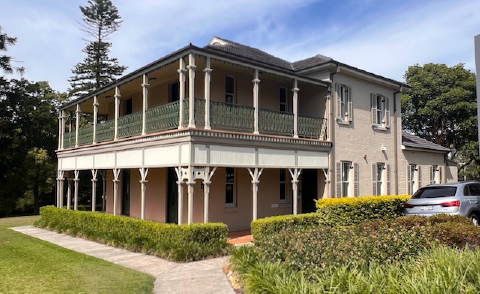
The inaugural AA meeting is held in March 1945 at the Medical Superintendent’s Residence, Rydalmere Psychiatric Hospital in Sydney, marking the introduction of Alcoholics Anonymous to Australia.
1946
AA's 12 Traditions Published
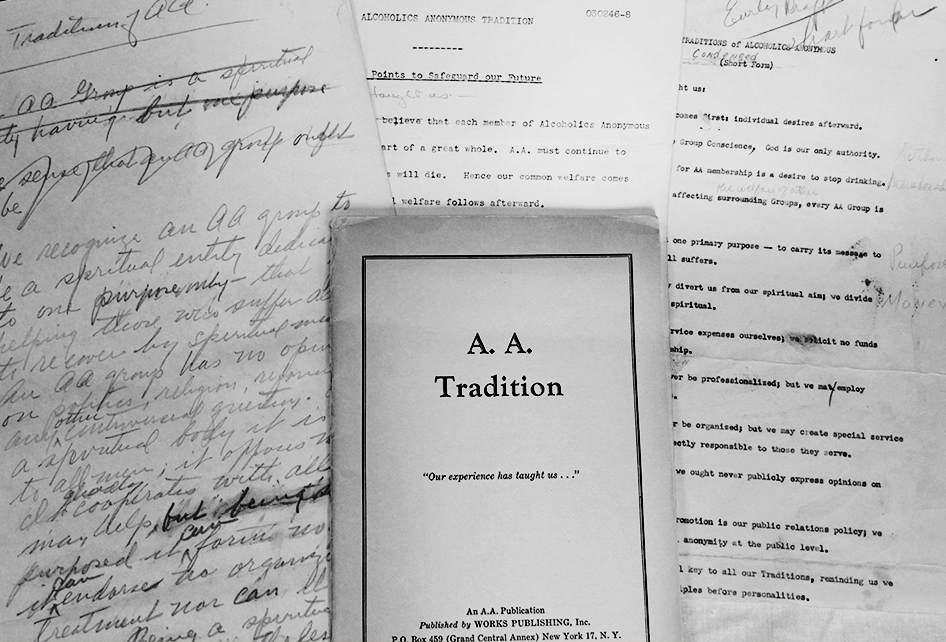
Alcoholics Anonymous publishes its 12 Traditions, outlining principles for group functioning and unity, both within individual groups and across the AA fellowship as a whole.
1947
AA Expands Across Australia
Alcoholics Anonymous began in Victoria, South Australia, Western Australia and Queensland, with significant publicity following the visit of sober actress Lillian Roth.
1948
AA Starts in Tasmania
Alcoholics Anonymous was introduced in Tasmania in 1948, expanding the fellowship’s reach across Australia.
1952
NSW Service Office Opens & AA Expands to ACT
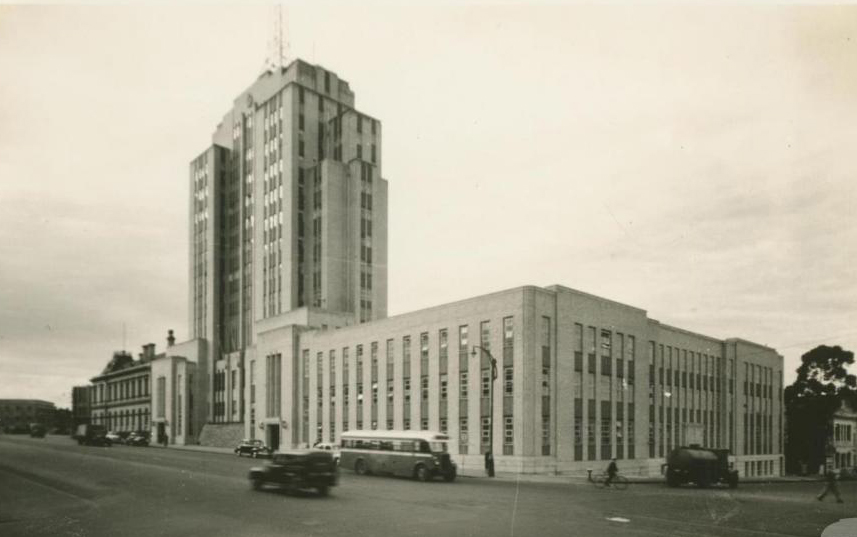
The NSW Service Office opens at 81 York Street, Sydney, providing a central point of contact and essential literature to AA groups across Australia. AA also begins in the ACT.
1955
AA “Comes of Age”
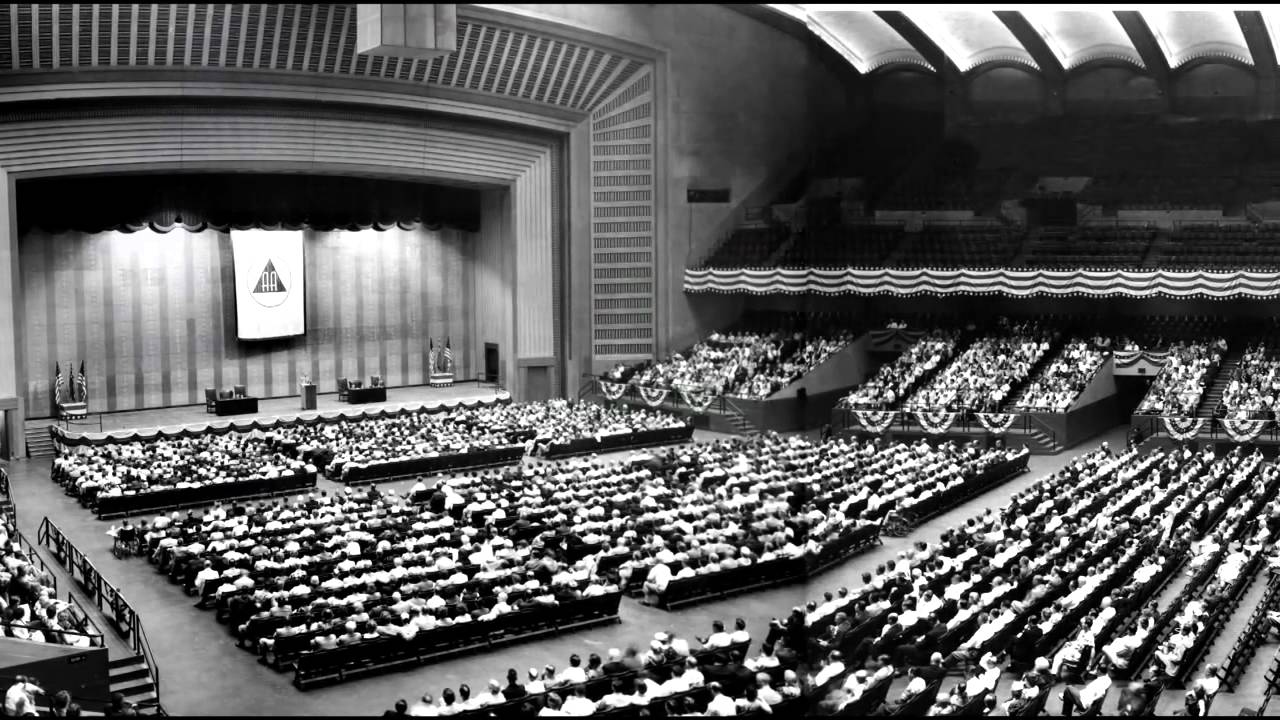
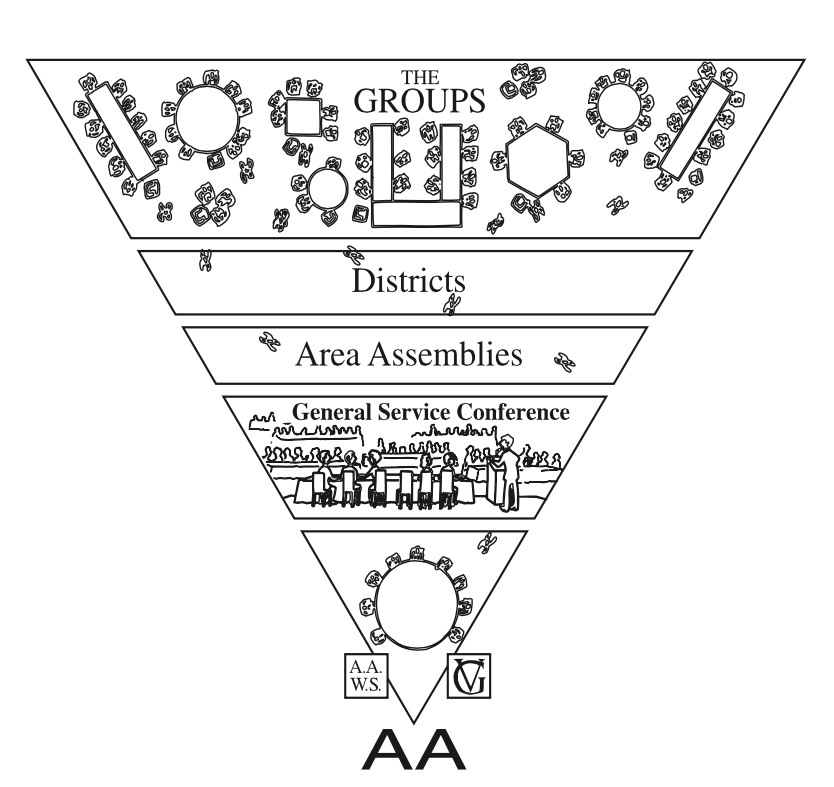
In St. Louis, Missouri, the US-Canadian General Service Conference becomes the guardian of AA’s Traditions, services, and the group conscience of Alcoholics Anonymous in the USA and Canada.
1959
First Australian National Conference of AA
The first Australian National Conference and Convention is held in Melbourne, where it is agreed to establish a permanent Conference to serve as the Group Conscience of AA in Australia. AA also begins in the Northern Territory.
1962
The 12 Concepts for World Service Published
AA’s world service structure, known as The 12 Concepts for World Service, is published.
1970
10th National Convention and Conference
The 10th National Convention and Conference is held at Rockdale Town Hall in Sydney. A “coming of age” resolution, based on the 1955 St. Louis resolution, is adopted by the Australian General Service Conference.
1972
Australian National Service Office Established
The Australian National Service Office is established in the Strand Arcade, Sydney, strengthening AA’s national organisational infrastructure and support network.
1979
The General Service Board
Established
The General Service Board of AA Australia is incorporated, consisting of eight alcoholic and four non-alcoholic trustees.
1995
AA in Australia celebrated 50 years
The Australian Experience commemorative Big Book, released in 1995, marks 50 years of AA in Australia.
2020
AA Australia Adapts During COVID-19
AA Australia adapts to the challenges of the COVID-19 pandemic by transitioning to virtual meetings and online support resources, ensuring continuity of care for members nationwide.
2025
AA Australia marks its 80th anniversary
with gratitude for its enduring legacy of hope, support, and fellowship in the fight against alcoholism.
A Life Beyond Alcohol
Recovery is about finding the strength to climb out of the darkest moments and reclaim control of your life. No matter how deep the struggle feels, with support and the right tools, freedom from alcohol is within reach. Every step forward is a step toward a healthier, brighter future.

 1300 222 222